
Coffee & tea
Beans, loose‑leaf, sachets.
Compact vibratory weigher for small doses up to ~100 g. Ideal for coffee beans, tea, seeds and similar products.
Beans, loose‑leaf, sachets.
Seeds, small nuts (size permitting).
Small parts and fasteners.
Using the structure already present in the supplied product pages, the site prompts buyers to send better application data from the start.
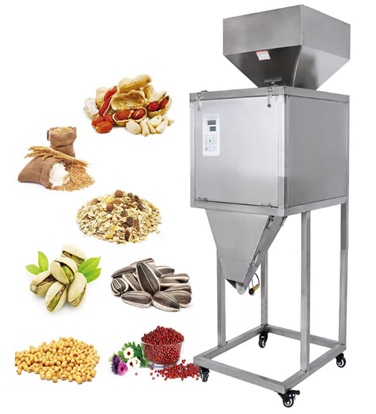
Combination weighing
Multi-head and combination weighing solutions for accurate dry product portioning.
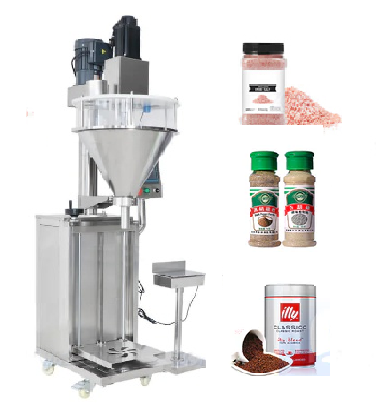
Powder dosing
Controlled screw filling for powders, spices, coffee and fine dry blends.
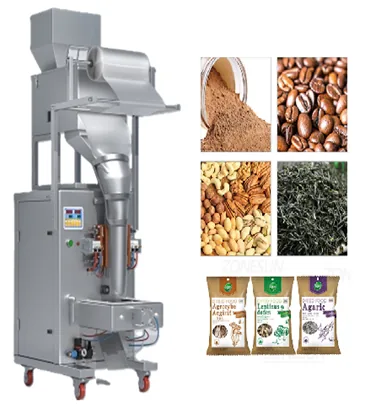
Integrated bagging
Integrated bag-making and filling systems for dry products and free-flowing goods.
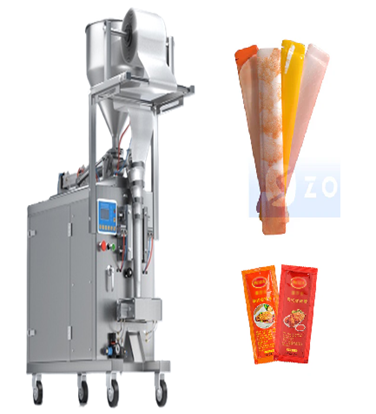
Liquid sachet systems
Compact sachet and stick-pack equipment for liquids, gels and flowable products.
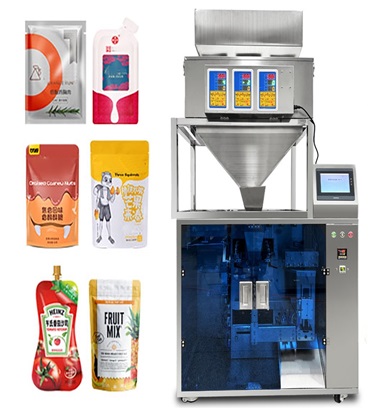
Pre-made pouch handling
Automatic pouch filling and sealing systems for stand-up and pre-made packs.
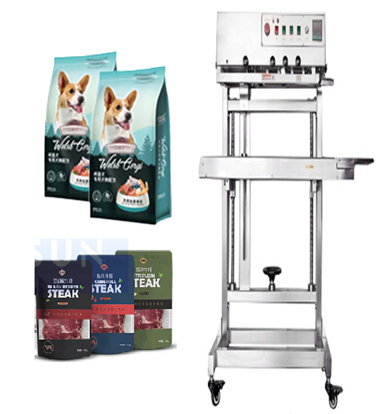
Final seal finishing
Dedicated pouch sealing equipment for finished packs and dependable final presentation.
These questions explain why the calculation cannot be separated from the physical product path. The controller can only choose from the portions that the feed system has created and made available at that moment.
The calculation compares the available hopper weights and selects a permitted combination that approaches the target under the configured rules. It does not correct poor feeding by itself. The quality of the result depends on having enough useful, repeatable portions in the hoppers and on the agreed tolerance and discharge logic.
The hopper portions need to be small and varied enough to create useful combinations without being so light or unstable that the feed cycle becomes inefficient. If most hoppers are empty, overloaded or nearly identical, the controller has fewer practical choices. Feed amplitude and distribution should be tuned against the real product and target.
Settings can refine vibration, timing and control behaviour, but they cannot remove every mechanical or product limitation. An uneven bulk feed, bridging product, unsuitable tray geometry or excessive retained product may require a change to the feed arrangement or contact surfaces. The symptom should be observed before increasing vibration indiscriminately.
A retained or booster hopper is an additional storage position used in some combination-weighing arrangements to keep an already weighed portion available for later calculations. Whether it is useful depends on the application and machine design. It should not be assumed to improve every target or product without a representative trial.
A timing hopper can buffer a completed dose close to the downstream machine until that machine is ready. It can reduce the final transfer distance and separate the weighing cycle from part of the packer cycle, but it also adds a gate, control sequence and cleaning point that must be included in the acceptance test.
A useful review includes the normal product range, target weights, pack opening, output and line-control sequence.
Request a configuration reviewAccuracy, giveaway and throughput are related but different results. A useful acceptance method records ordered pack weights and the conditions under which they were produced, while also checking product quality and the complete packing-line cycle.
| Measure | What it answers | Conditions to record |
|---|---|---|
| Target and tolerance | What result is commercially acceptable for each pack | Declared target, permitted limits and applicable site/market requirements |
| Mean weight | Whether the process average is above, below or close to target | Ordered sample, scale/check method and product batch |
| Minimum and maximum | The observed spread during the test period | Sample size, stops, restarts and whether any result was excluded |
| Giveaway | How much product is added above the agreed target or process basis | Calculation method and treatment of rejects or incomplete cycles |
| Good finished packs per minute | The sustainable line output rather than the theoretical weighing cycle | Feed, bagger/pouch machine, inspection, operator work and short stops |
| Product quality | Whether the weighed and discharged product remains acceptable | Breakage, coating loss, segregation, scuffing and pack presentation |
No. Accuracy describes how results compare with the agreed target or reference, while giveaway describes excess product above the chosen basis. A process can show a narrow spread but still run with an unnecessarily high average, so both need to be reported.
The weigher may wait for product, a timing hopper, a bagger or pouch machine. Pack opening, sealing, inspection, operator handling and short stops can determine the real line rate. Record good finished packs over a representative period.
The sample size should be agreed before testing and be large enough to expose normal refill, product variation, stops and restarts. There is no universal number for every project; use the commercial, quality and regulatory context of the actual pack.
Yes. Product feed, support, vibration, contact, access, drop height and packer timing can all affect the finished result. Use the installation and site-preparation guide before the interface is frozen.
Include the target, tolerance, sample size, output definition, product-quality checks and the intended downstream machine.
Request an acceptance reviewThe compact vibratory machine shown above is selected for small, application-dependent doses. Buyers looking for a true multihead or combination-weigher system should use the dedicated commercial page, where head count, hopper volume, product distribution, discharge timing and packing-line integration are treated as one specification.
Commercial combination-weigher selection for snacks, granules, coffee, pet food and small components.
Review the verified source-page figures for the existing compact and twin-head models.
Include the normal piece-size range, target weights, pack opening and required output.
Ask Lancing to compare the routesA multihead or combination weigher is selected around product distribution, the target weight, the pack route and the evidence required from a sample trial.
Product is introduced to a central distribution area and metered across feed trays towards individual hoppers. Each weigh hopper holds a portion. The controller evaluates the available portions and discharges a combination that approaches the programmed target weight. The quality of that result depends on the product reaching the hoppers consistently and on enough suitable portions being available for the calculation.
The dispersion cone, feed trays, hopper geometry and feeder settings therefore matter as much as the weighing algorithm. Large pieces can restrict hopper capacity, light products may need more volume, dusty products can affect movement, and oily or sticky products may need different contact surfaces. Dimpled surfaces can help some products release, but they are not a universal solution and must be assessed against cleaning and product-damage requirements.
Accuracy should be discussed with a defined product, target weight, tolerance, operating rate and sampling method. Product giveaway is the amount packed above the commercial target; it is influenced by feeder control, the number and spread of available portions, product consistency and the downstream process. A realistic trial should record the mean, minimum and maximum pack weights, variation, rejects and the amount of excess product over the agreed target.
More heads can provide more possible combinations, but the correct configuration also depends on hopper volume, piece size, target dose and required output. Hopper capacity must allow the product to enter and discharge without bridging or damage. A fragile snack may need controlled feed amplitude and lower drop heights, while pellets or small hardware may need attention to noise, impact and wear.
A timing hopper can buffer the completed dose and release it when the downstream machine is ready. On a VFFS line, the weigher and bagger need a reliable signal exchange so the dose is discharged only when the bag is correctly formed and open. With pre-made pouches, the pouch must be presented, opened and supported before the product drop. The interface should also account for alarms, product starvation, reject handling and safe access.
Confirm how product-contact parts are removed, accessed and cleaned, how change parts are identified, and whether dry cleaning, wet cleaning or allergen controls apply. Cleaning time should be observed during a trial where changeover is commercially important. Contact materials and surface finish should be agreed for the actual product and sector.
Use normal production material and include the full piece-size distribution. Record bulk density if known, fragility, seasoning, dust, moisture and any batch-to-batch variation.
State the target weight, tolerance, desired output, feeder settings, pack route, number of test cycles and how results will be measured. Headline accuracy or speed is not meaningful without these conditions.
Agree the acceptable average, minimum and maximum weights, giveaway, reject level, product damage, stoppages, changeover time and any checkweigher or downstream requirements before the final acceptance run.
Free-flowing snacks, pellets, granules, beans, seeds and small components are common starting points. Product size, stickiness, dust and fragility still need to be checked using representative samples.
No. Head count is one factor. Hopper volume, target weight, product distribution, feeder control, piece size and the downstream timing requirement all affect the practical result.
Run a defined number of cycles under stated production conditions, compare actual pack weights with the agreed target and record the mean excess weight as well as the overall variation and rejects.
Review feed amplitude, surface finish, hopper geometry, discharge sequence, timing hopper and total fall height. The trial should inspect visible breakage as well as weight performance.
Yes, when the support frame, discharge path, timing hopper and control signals are designed around the bagger. The specialist VFFS route is covered by Lancing Form Fill & Seal.
Send product samples or detailed product information, target weight, tolerance, pack dimensions, output target, available floor space, utilities and the proposed upstream and downstream equipment.
The controller can only select from the portions actually present in the weigh hoppers. Product distribution, portion spread and the relationship between average piece weight and target weight therefore affect the number of useful combinations, the cycle time and the amount of product above target.
Feed settings should create a spread of portions around the values needed for the target rather than repeatedly filling every hopper to the same unsuitable amount. If some heads remain empty, overloaded or slow to refill, the controller has fewer practical combinations to choose from.
Large individual pieces can create unavoidable weight steps. A pack target that is close to only a few pieces may show more variation than a target made from many smaller pieces. Record the piece-size window and inspect whether the agreed tolerance is realistic for the product itself.
Run long enough to include hopper replenishment and normal product variation. A short test immediately after manual loading may not show starvation, surging, build-up or segregation that appears during sustained production.
Smooth surfaces can suit free-flowing products, while dimpled or other finishes may help release in specific applications. The choice should also consider cleaning, product marking, coating loss and whether product remains in corners or on gates.
A timing hopper can separate the weighing cycle from the pack-machine request, but its capacity, opening time and discharge path must suit the product. The weigher, timing hopper and downstream machine should share clear ready, release, complete and fault states.
The test report should include mean, minimum and maximum weights, variation, giveaway and rejects together with product damage, mix quality, spillage, stoppages and achieved finished-pack output.
| Trial measure | Why it matters | Condition that must be recorded |
|---|---|---|
| Mean pack weight and giveaway | Shows the commercial amount packed above the agreed target | Target, tolerance, sample count and checkweigher method |
| Minimum, maximum and variation | Shows the spread rather than a single favourable result | Product batch, settings and sustained operating period |
| Usable hopper population | Indicates whether product is being distributed into useful portions | Head activity, refill behaviour and product level |
| Finished-pack output | Confirms the whole line rather than the isolated weighing head | Pack format, timing hopper, bagger or pouch cycle and rejects |
| Product quality | Prevents weight performance masking breakage or segregation | Before-and-after samples and an agreed inspection method |
It changes the number of portions that may be available to the combination calculation. The benefit still depends on useful product distribution, hopper volume, target weight and product size.
It is selected around product volume, largest piece, target weight and required output. The product must enter, settle and discharge without bridging, overflow or unacceptable damage.
Giveaway is product packed above the commercial target. It should be measured across an agreed sample under stated conditions rather than inferred from a single pack.
No. They may improve release for some products, but surface choice must also account for cleaning, product damage and retention.
Normal product variation, the real target and pack, sustained feed, the intended downstream interface, weight statistics, damage checks, stops and cleaning observations.
Include piece-size variation, target weight, tolerance, output, pack opening and the proposed VFFS or pouch interface.
Plan a product trialThe strongest buying decisions use representative product and measurable acceptance criteria. The guides below cover the issues that most often determine whether a combination-weighing project performs consistently in production.
Review portion population, feeder tuning, target settings and check-weigh data.
Decide when a combination weigher or linear weigher is the more practical route.
Define sample variation, test duration, weight data, damage checks and finished-pack criteria.
Confirm access, removable parts, retained product and safe maintenance arrangements.
Trace weight, output and discharge symptoms back through the whole product path.
Define scope, interfaces, access, project evidence and site services before comparing costs.