
Product at filling
Use the product at filling temperature and record flow, particulates and foam.
Review liquid dosing, cut-off and seal protection with the real product and film. Define viscosity, temperature, particulates, foaming and the finished sachet or pouch requirements.
Use the product at filling temperature and record flow, particulates and foam.
Inspect drips, strings and the product’s effect on the seal area.
Test the film and final pack for leaks, contamination and restart behaviour.
Send the product at filling temperature, target dose, pack drawing, film construction, required output, cleaning method and upstream supply details.
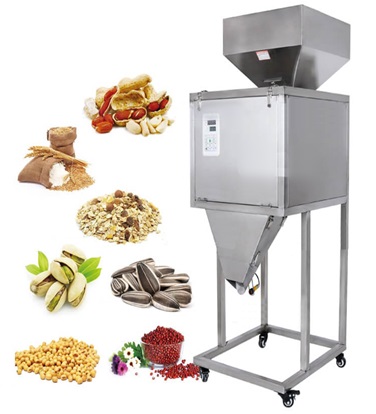
Combination weighing
Multi-head and combination weighing solutions for accurate dry product portioning.
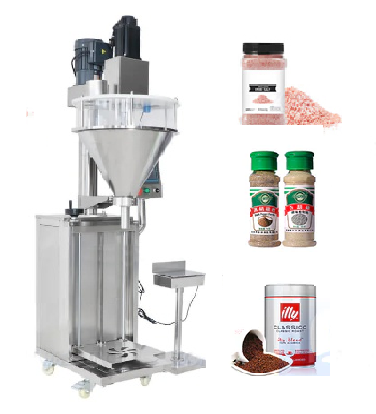
Powder dosing
Controlled screw filling for powders, spices, coffee and fine dry blends.
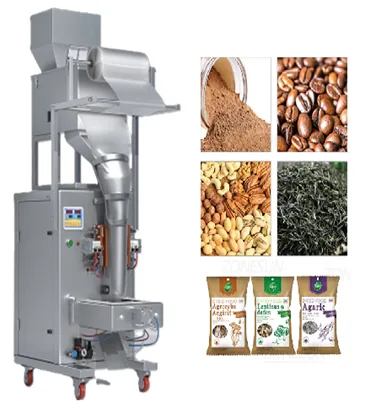
Integrated bagging
Integrated bag-making and filling systems for dry products and free-flowing goods.
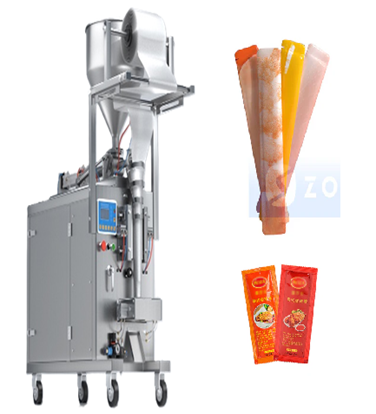
Liquid sachet systems
Compact sachet and stick-pack equipment for liquids, gels and flowable products.
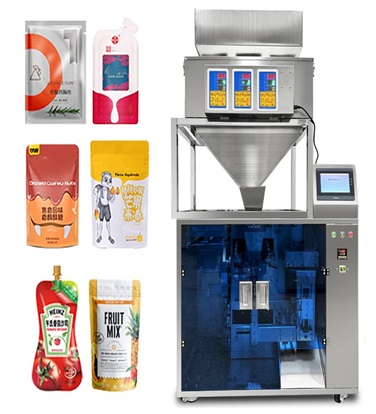
Pre-made pouch handling
Automatic pouch filling and sealing systems for stand-up and pre-made packs.
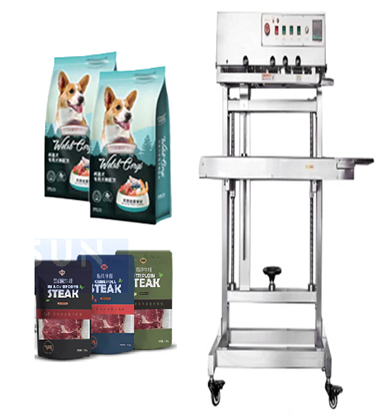
Final seal finishing
Dedicated pouch sealing equipment for finished packs and dependable final presentation.
Liquid form fill and seal suitability depends on the real product and film rather than the word “liquid”. Viscosity, temperature, particulates, foaming, stringing, dripping, dose range, seal-area contamination, cleaning and product-contact requirements all change the dosing and pack route.
Record viscosity or flow behaviour at the actual filling temperature, plus particulates, settling, foaming and sensitivity to shear or air. Product behaviour can change between the feed vessel and the nozzle.
The selected pump, valve and nozzle arrangement must create a controlled dose and stop cleanly. Drips, strings or foam can affect pack weight, headspace and the sealing area even when the nominal dose is correct.
Provide the complete film construction and finished pack requirements. Seal temperature, time and pressure are packaging-machine variables; the dosing system must keep product away from the seal zone during the cycle.
Define product level, mixing or recirculation where required, temperature control, pressure, return routes and the behaviour during start-up, pauses and low-level conditions.
Plan drain-down, flushing, disassembly, inspection and return to production. Final cleaning requirements depend on the product, hygiene system, contact materials and site procedures.
Record ordered dose results, pack leaks, seal contamination, foam, drips, temperature, stops, restarts and sustained good output. A short dry cycle does not prove the filled-pack process.
Include the product at filling temperature, target dose, pack drawing, film construction, required output, cleaning method and upstream supply.
Request a liquid sachet reviewLiquid and gel projects are selected around viscosity, foaming, particulates, temperature, cut-off behaviour and the required sachet or pouch format rather than around dry-product weighing principles.
The pump, nozzle and cut-off arrangement must suit the product so dripping, stringing or foaming does not contaminate the seal area. Dose volume, film, lane count, sachet dimensions and seal dwell should be tested together.
Confirm tank access, hose and nozzle cleaning, drain-down, product recovery and cross-contamination requirements. Temperature-controlled or particulate products may require additional testing and specialist components.
Combiweigh.co.uk is centred on combination weighing and dry-product integration. Detailed liquid sachet and flexible-pack selection belongs on the specialist Form Fill & Seal and Pouch Fillers UK routes. This page remains the connection point where a wider Lancing project includes both dry-product and liquid packaging requirements.
Send product viscosity, particulates, dose range, sachet dimensions, film, target output, cleaning method, utilities and any coding or inspection requirement.